Things to do in and around Meknes
Meknes, one of Morocco’s four imperial cities, blends imperial grandeur with understated provincial charm. Founded in the 11th century and transformed in the late 17th century by Sultan Moulay Ismaïl, Meknes became a sweeping royal capital whose ambitious building projects—palaces, ramparts, gates, and granaries—were intended to rival European capitals. The city’s monumental legacy includes the ornate Bab Mansour gate, the vast ceremonial square of Lahdim, and the sprawling Dar El Makhzen (royal palace) set behind thick ochre walls.
The old medina retains a quieter, less tourist-trodden atmosphere than Fez or Marrakech. Narrow streets open to bustling souks where traditional crafts—leatherwork, metalwork, and zellij tile—are still produced. Nearby, the immense Heri es-Souani granaries and stables testify to Moulay Ismaïl’s logistical ambitions; their vaulted silos and monumental archesremain impressive examples of premodern engineering.
Meknes’s cultural fabric blends Arab, Berber, and Andalusian influences visible in its architecture, mosques, and public squares. The city is also a practical base for exploring the Roman ruins of Volubilis and the cooler orchards and vineyards of the surrounding Saïs plain. More restrained than Morocco’s more frenetic destinations, Meknes offers an elegant, contemplative encounter with the country’s imperial past.
To See
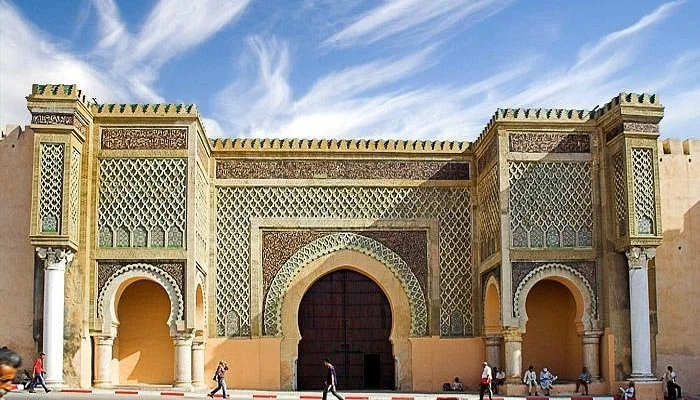
Bab Mansour Gate
One of the most stunning gates in all of Morocco - an ornate 18th-century triumphal arch adorned with intricate zellige tilework and carved stucco. The perfect introduction to the grandeur of Meknès. Start your medina walk here.
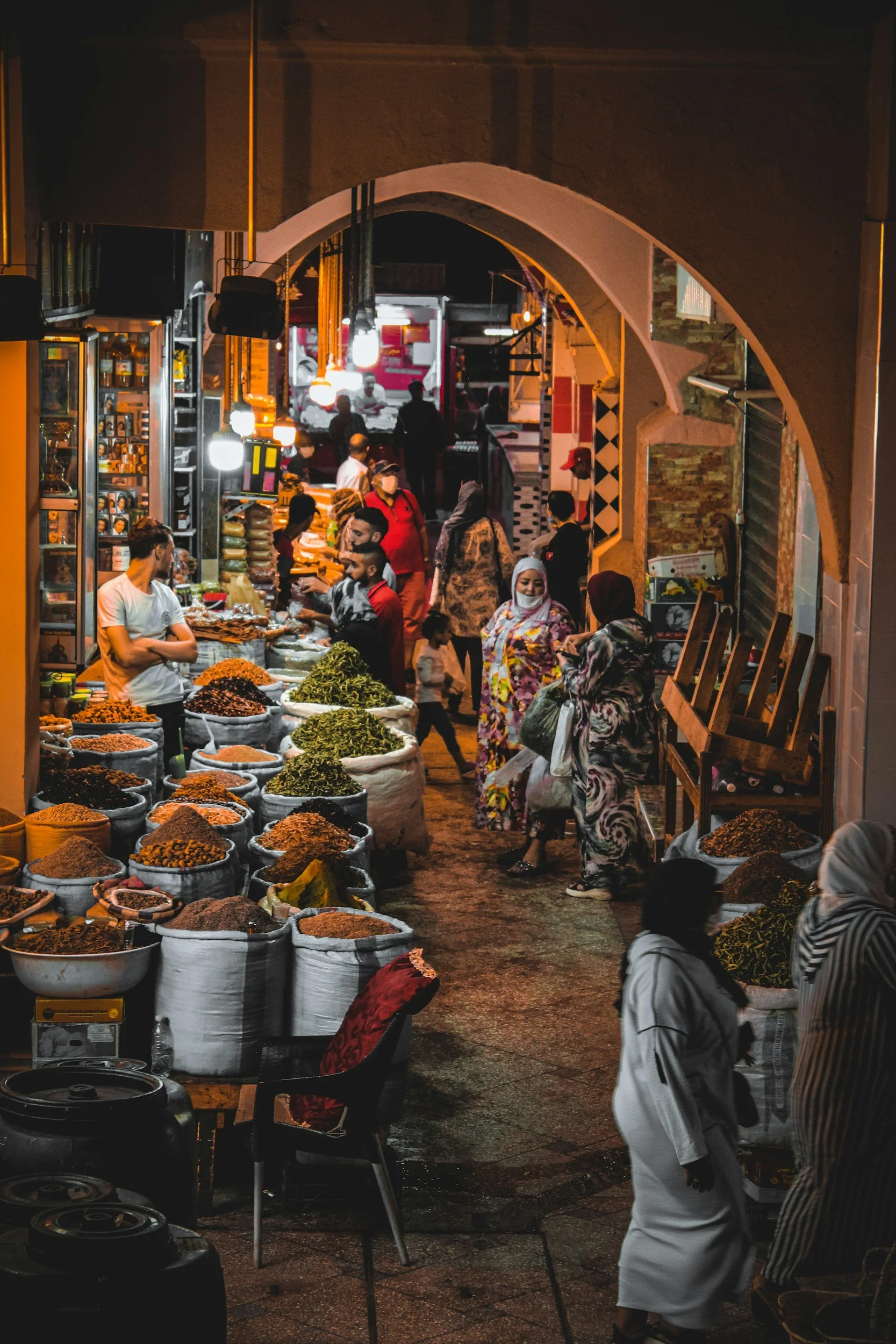
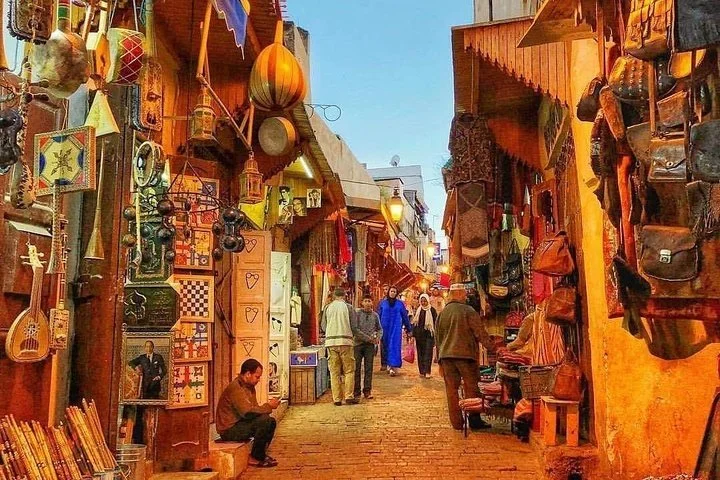
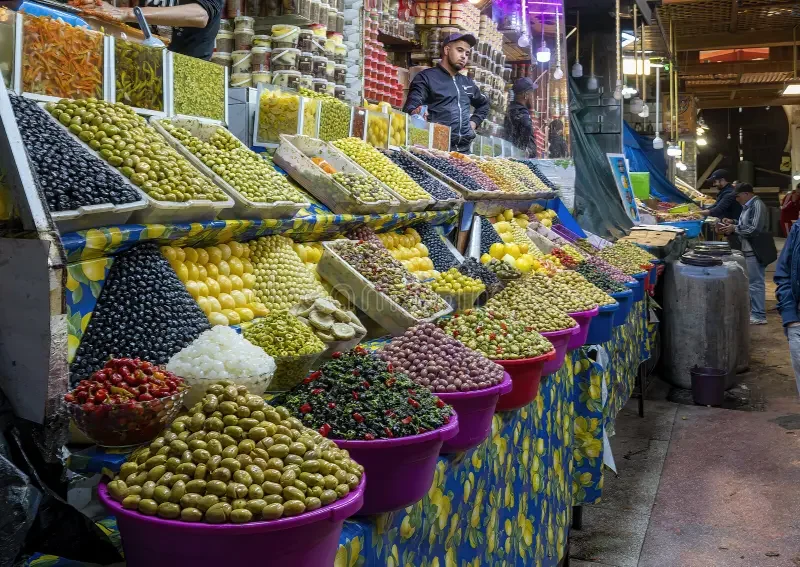
The Medina & Souks
Lose yourself in the winding alleys of the ancient medina. The souks are less tourist-heavy than Fès or Marrakesh, making for a more authentic and relaxed experience. Look out for handwoven rugs, brassware, spices, and traditional kaftans
Heri es-Swani
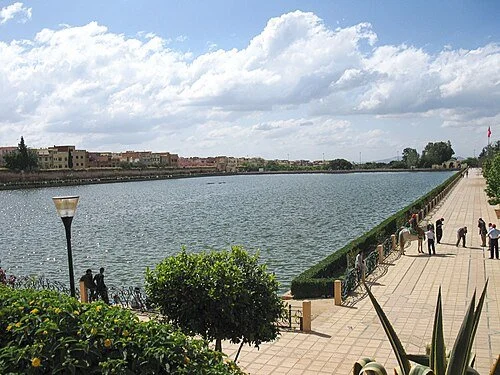
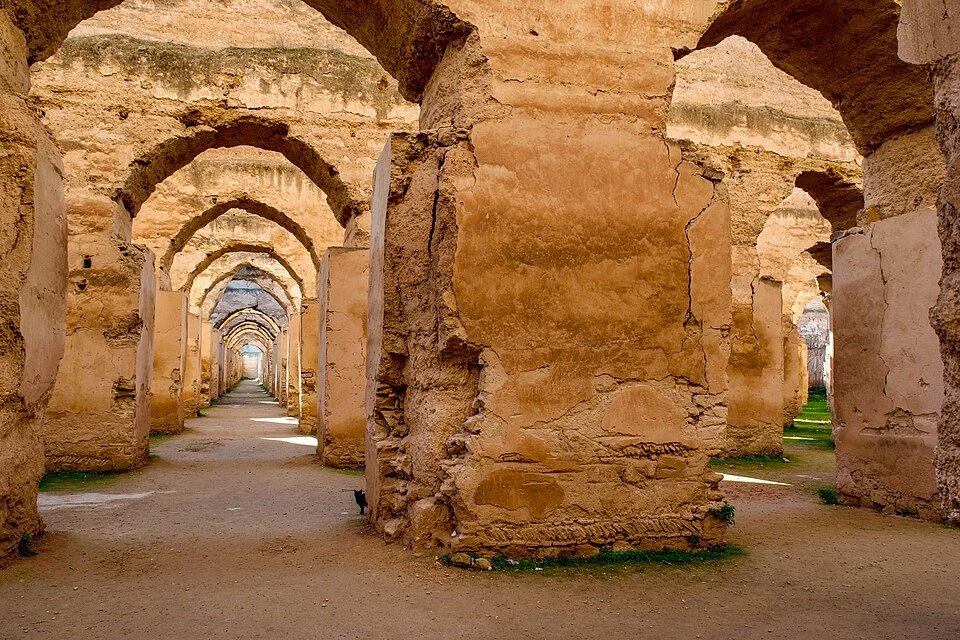
The vast royal granaries and stables of Sultan Moulay Ismail - an extraordinary feat of 17th-century architecture. The scale is jaw-dropping. The neighbouring Agdal Basin, a grand artificial lake, is equally worth seeing at sunset.
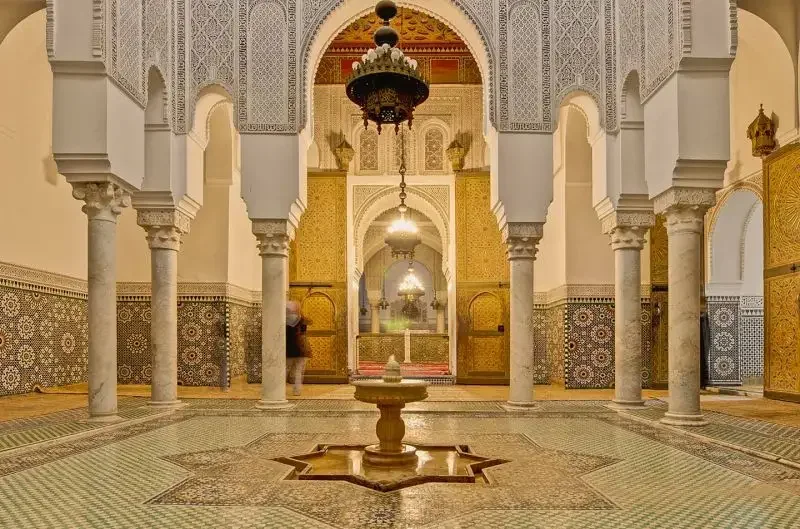
Mausoleum of Moulay Ismail
One of the few religious monuments in Morocco open to non-Muslim visitors. The interior is breathtaking — marble floors, intricate cedarwood carvings, and a serene tranquility that feels worlds away from the bustle outside.
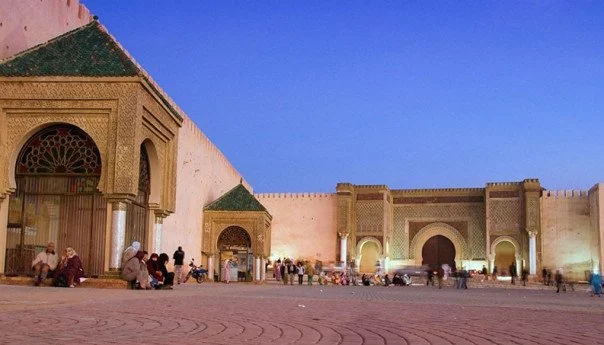
Place Lahdim
Meknès's main square - Built in the years 1672-1674 - think Djemaa el-Fna but quieter and more intimate. Pull up a chair at one of the terrace cafés, order a mint tea, and watch the city move. Especially magical in the early evening as the light softens.
To Eat & Drink
Meknès sits at the heart of Morocco's most fertile agricultural region — the food here is exceptional. The city is also home to the country's most established wine-producing area.
Moroccan Breakfast
Start every morning with msemen (flaky flatbread), amlou (almond & argan honey paste), fresh orange juice, and a glass of atay - Moroccan mint tea.
Mechoui & Tagine
Slow-roasted lamb mechoui and aromatic tagines are the soul of Meknès cuisine. Lucky for all of us, the woman in my family have these dishes down!
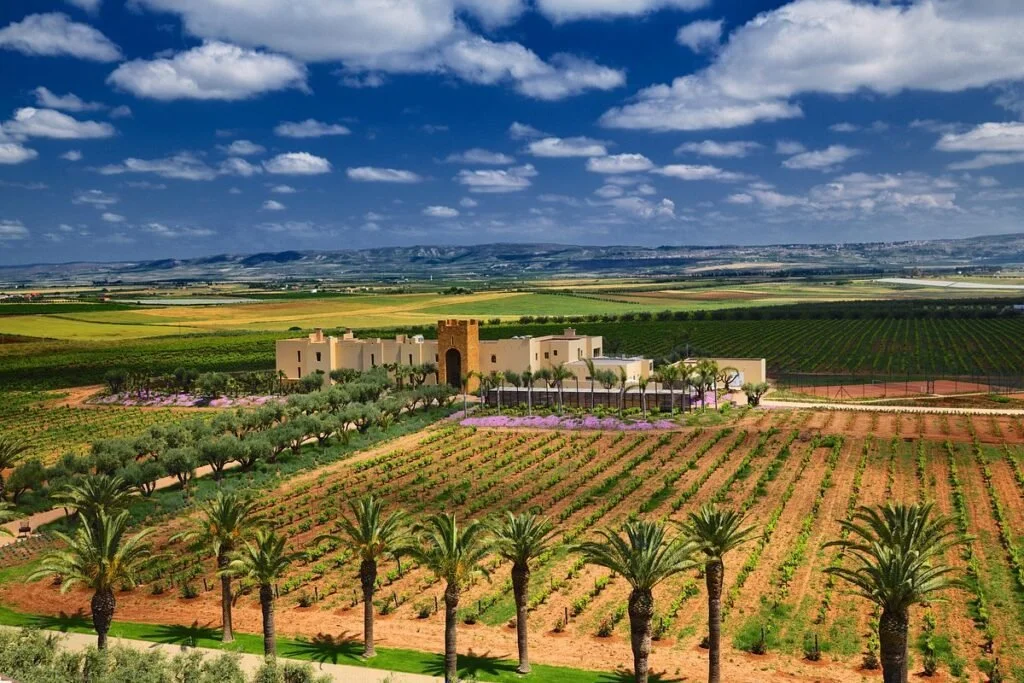
Meknès Wine Region
Meknès is Morocco's wine capital. The surrounding Guerrouane and Beni M'Tir vineyards produce the country's finest reds. Ask your hotel about vineyard visits — some are open to guests.
To Relax
A Traditional Hammam
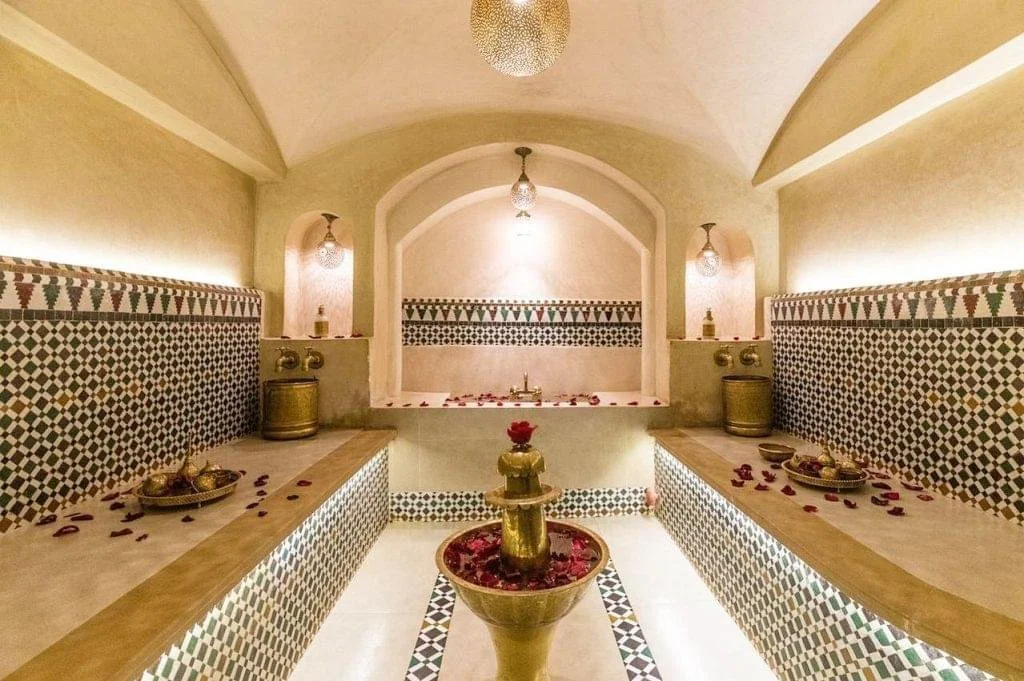
No visit to Morocco is complete without a hammam experience. A traditional Moroccan hammam involves steam, a vigorous exfoliating scrub (kessa), and a black soap (savon beldi) massage that will leave you feeling completely renewed. Meknès has both local neighbourhood hammams and more upscale spa hammams in the riads. We highly recommend booking one for the afternoon before or after the wedding weekend — your body will thank you.